




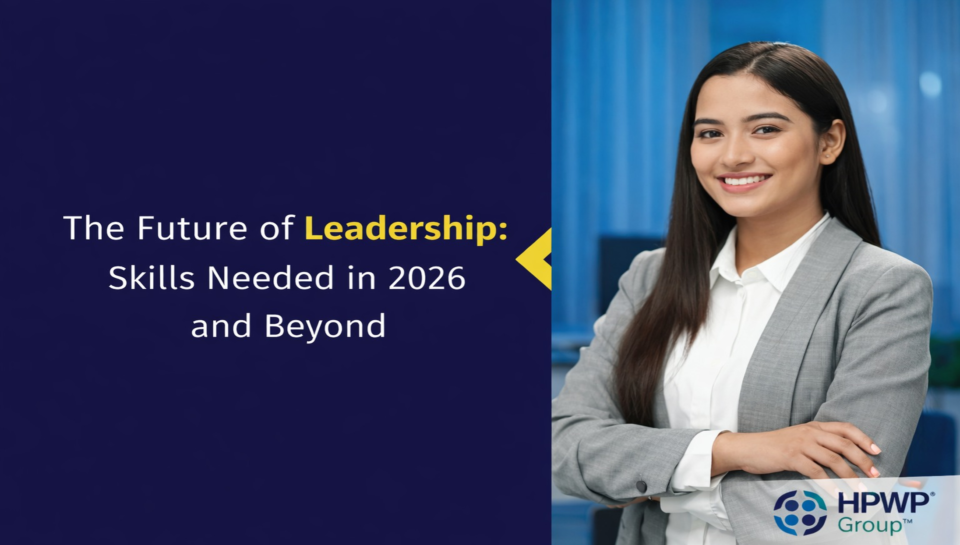
The Future of Leadership: Skills Needed in 2026 and Beyond
Leadership is evolving faster than ever before. In a world shaped by rapid technological advancement, global uncertainty, and changing workforce expectations, traditional leadership models are no longer enough. As we move into 2026 and beyond, successful leaders will be defined not just by authority or experience, but by adaptability, emotional intelligence, and strategic vision.
The future of leadership demands a new mindset—one that balances technology with humanity, performance with purpose, and direction with collaboration.
Leadership in a Rapidly Changing World
The business environment is becoming more complex and unpredictable. Artificial intelligence, automation, remote work, and digital transformation are reshaping how organizations operate. At the same time, employees expect flexibility, meaning, and growth.
In this context, leaders must do more than manage tasks. They must inspire trust, guide change, and empower people to perform at their best.
1. Emotional Intelligence and Human-Centered Leadership
In 2026, emotional intelligence (EQ) will be one of the most critical leadership skills. As workplaces become more diverse and digitally connected, leaders must understand emotions—both their own and those of their teams.
Leaders with high emotional intelligence can:
- Build strong relationships
- Communicate with empathy
- Manage conflict effectively
- Create psychologically safe workplaces
Human-centered leadership is no longer optional—it is essential for engagement and retention.
2. Adaptability and Change Management
Change is constant, and leaders must be comfortable navigating uncertainty. The ability to adapt quickly, make decisions with incomplete information, and guide teams through change will define effective leadership in the future.
Strong future leaders:
- Embrace continuous learning
- Respond proactively to disruption
- Help teams stay resilient during change
Adaptability is not just a skill—it’s a leadership mindset.
3. Digital and Technological Literacy
Leaders in 2026 do not need to be technical experts, but they must understand how technology impacts strategy, operations, and people.
Key areas of digital leadership include:
- Understanding AI and automation
- Using data for informed decision-making
- Leveraging digital tools for collaboration
Digitally literate leaders are better equipped to drive innovation and remain competitive.
4. Strategic Thinking and Vision
The future of leadership requires the ability to think long-term while acting decisively in the present. Leaders must connect daily decisions to broader organizational goals and communicate a clear vision.
Effective leaders in 2026:
- Anticipate future trends
- Align teams with strategic priorities
- Balance short-term results with long-term growth
Vision-driven leadership provides clarity and purpose in uncertain time
5. Communication and Influence
With hybrid and remote work becoming the norm, communication skills are more important than ever. Future leaders must communicate clearly, authentically, and consistently across digital platforms.
Strong communication enables leaders to:
- Inspire trust and confidence
- Align teams across locations
- Drive collaboration and accountability
Leadership is no longer about control—it’s about influence.
6. Coaching and People Development
In 2026 and beyond, leaders will be judged by their ability to develop others. High-performing organizations need leaders who act as coaches, not just managers.
Coaching-focused leaders:
- Empower employees to grow
- Provide meaningful feedback
- Build future leaders from within
This approach strengthens performance while creating a strong leadership pipeline.
7. Ethical Leadership and Purpose-Driven Decision Making
Employees and customers increasingly expect organizations to act responsibly and ethically. Leaders must demonstrate integrity, transparency, and accountability in their decisions.
Purpose-driven leaders:
- Align business goals with social impact
- Make values-based decisions
- Build trust with stakeholders
Ethical leadership is critical for long-term credibility and success.
8. Cultural Intelligence and Inclusion
Global teams and diverse workforces require leaders who understand and respect different perspectives. Cultural intelligence and inclusive leadership will be essential skills in 2026.
Inclusive leaders:
- Value diversity of thought
- Create equal opportunities
- Foster belonging and collaboration
Diversity-driven teams are more innovative, resilient, and successful.
Final Thoughts
The future of leadership is not about titles or authority it is about impact, influence, and adaptability. Leaders who succeed in 2026 and beyond will be those who continuously evolve, balance technology with empathy, and lead with purpose.
Organizations that invest in developing future-ready leaders today will be best positioned to navigate change and achieve sustainable success.