

How Coaching and Mentoring Elevate Leadership in Modern Organizations
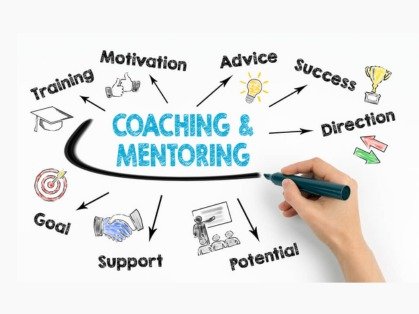
In today’s rapidly evolving business landscape, leadership is no longer defined solely by authority or experience. Modern organizations require leaders who are adaptable, emotionally intelligent, collaborative, and capable of guiding teams through constant change. To develop these qualities, companies are increasingly turning to coaching and mentoring as essential tools for leadership growth.
Coaching and mentoring go beyond traditional training methods. They focus on personalized development, real-world problem-solving, and long-term capability building. When implemented strategically, these approaches play a critical role in shaping confident, capable leaders who drive performance and sustain organizational success.
The Changing Nature of Leadership
Leadership expectations have shifted dramatically over the past decade. Today’s leaders must manage hybrid teams, navigate uncertainty, support employee well-being, and align people with organizational purpose. Technical expertise alone is no longer enough.
Modern leaders are expected to:
- Communicate clearly and empathetically
- Make informed decisions under pressure
- Foster trust and collaboration
- Develop others and build future leaders
- Adapt quickly to changing business needs
Coaching and mentoring help leaders develop these competencies in ways that classroom training often cannot.
Understanding Coaching and Mentoring
While coaching and mentoring are often used interchangeably, they serve different but complementary purposes.
Coaching is typically performance-focused and goal-oriented. A coach works with leaders to enhance specific skills, overcome challenges, and improve effectiveness. Coaching sessions are structured, confidential, and centered on accountability and measurable progress.
Mentoring, on the other hand, is relationship-based and development-focused. A mentor shares knowledge, experience, and guidance to help less-experienced leaders navigate their roles and career paths. Mentoring relationships often evolve over time and provide broader perspective and insight.
Together, coaching and mentoring create a powerful leadership development framework that addresses both immediate performance and long-term growth.
How Coaching Strengthens Leadership Effectiveness
Coaching plays a direct role in elevating leadership performance. Through one-on-one engagement, leaders gain clarity, self-awareness, and practical strategies to improve their impact.
Key benefits of leadership coaching include:
- Enhanced self-awareness: Coaches help leaders recognize strengths, blind spots, and behavioral patterns that influence their leadership style.
- Improved decision-making: Coaching encourages reflective thinking and structured problem-solving.
- Greater accountability: Leaders commit to action plans and are held accountable for progress.
- Stronger emotional intelligence: Coaching supports better emotional regulation, empathy, and communication.
Leaders who receive coaching are often more confident, resilient, and aligned with organizational goals.
The Role of Mentoring in Leadership Development
Mentoring supports leadership development by providing guidance rooted in experience. Mentors help emerging and mid-level leaders understand organizational culture, navigate challenges, and build professional confidence.
Mentoring contributes to leadership growth by:
- Accelerating learning through shared experience
- Building confidence and career clarity
- Supporting succession planning
- Strengthening organizational knowledge transfer
- Encouraging long-term commitment and engagement
For many leaders, having a mentor provides a safe space to ask questions, explore challenges, and gain perspective without fear of judgment.
Why Coaching and Mentoring Matter in Modern Organizations
Organizations today face talent shortages, leadership gaps, and increased employee expectations. Coaching and mentoring address these challenges by creating leaders who are prepared, adaptable, and people-focused.
Key organizational benefits include:
- Stronger leadership pipelines: Coaching and mentoring prepare future leaders internally, reducing reliance on external hiring.
- Improved employee engagement: Leaders who are well-supported are better equipped to engage and motivate their teams.
- Higher retention: Employees are more likely to stay when they see investment in leadership development.
- Better change management: Coached leaders handle transformation with greater confidence and clarity.
- Sustainable performance: Leadership development through coaching and mentoring drives long-term results rather than short-term fixes.
Coaching and Mentoring in High-Performance Cultures
High-performance organizations prioritize continuous learning and development. Coaching and mentoring reinforce this mindset by encouraging reflection, feedback, and growth at all levels.
In such cultures:
- Leaders model learning behaviors
- Feedback is encouraged and valued
- Development is ongoing, not reactive
- Employees feel supported and empowered
By embedding coaching and mentoring into leadership development strategies, organizations create a culture where performance and people development go hand in hand.
Implementing Coaching and Mentoring Successfully
To maximize impact, coaching and mentoring should be intentional and aligned with business goals. Effective programs typically include:
- Clear objectives linked to leadership competencies
- Trained coaches and well-matched mentors
- Defined structures and expectations
- Regular progress evaluation
- Leadership buy-in and support
Organizations should also ensure that coaching and mentoring complement other development initiatives such as training programs, performance management, and succession planning.
The Future of Leadership Development
As workplaces continue to evolve, leadership development must evolve with them. Coaching and mentoring will play an even greater role as organizations prioritize agility, emotional intelligence, and employee-centered leadership.
Future-focused organizations recognize that leadership is not a one-time achievement—it is a continuous journey. Coaching and mentoring provide the personalized, human-centered support leaders need to grow, adapt, and succeed in complex environments.
Final Thoughts
Coaching and mentoring are no longer optional extras in leadership development—they are strategic necessities. By investing in these approaches, modern organizations equip their leaders with the skills, confidence, and perspective needed to navigate complexity and drive sustainable success.
When leaders grow, organizations grow. And coaching and mentoring are among the most effective ways to ensure leadership excellence in today’s dynamic business world.